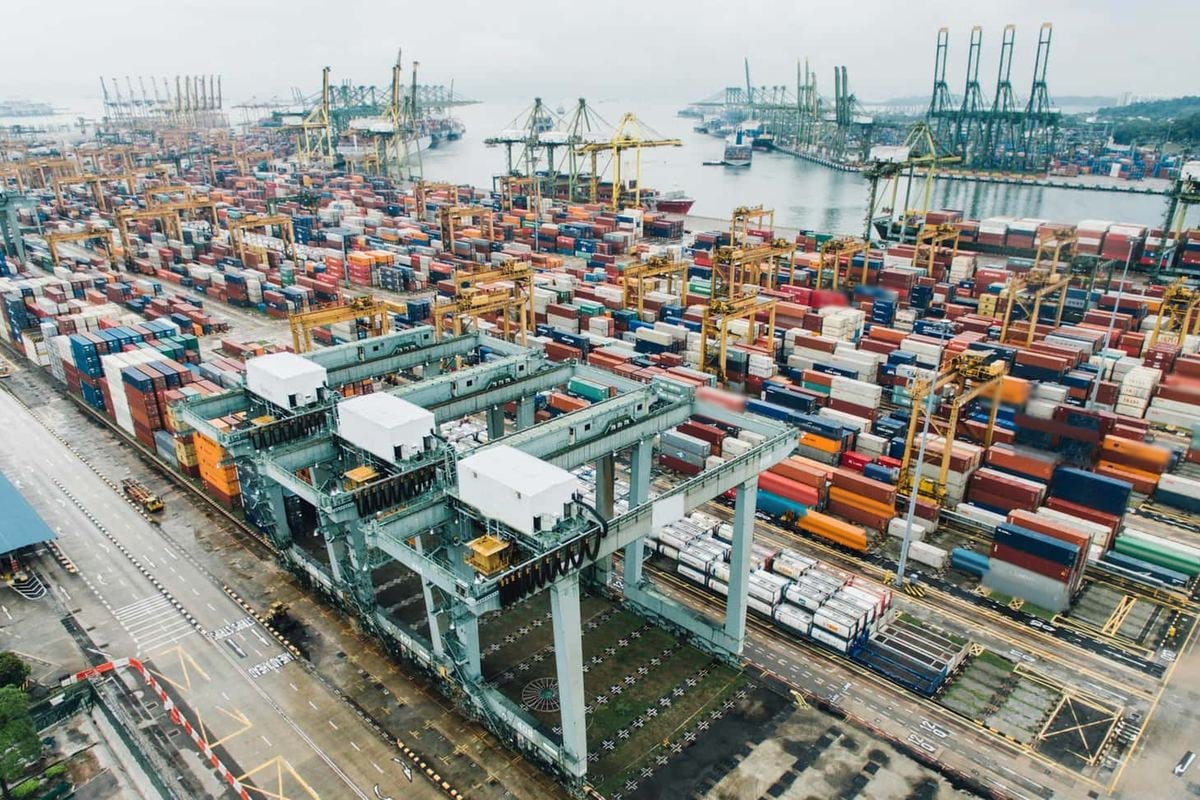
How to read a bill of lading, line by line
The bill of lading is a receipt, a contract and a title document in one. Here…

Above about 14 cubic meters, a full 20 ft box is often cheaper than LCL. Here is how to run the numbers for your next order.
Freight desk lead
Most importers start with LCL (less than container load). You share a container with other shippers and pay only for the space you use. It is simple and flexible. But as your orders grow, there is a point where a full container (FCL) costs less, even if you do not fill it.
LCL is priced per cubic meter. FCL is priced per box. On most Asia to U.S. lanes, the break-even point sits between 13 and 15 cubic meters. Above that, a 20 ft container is usually the cheaper choice.
An FCL box is sealed at your supplier and opened at your door. There is no extra handling at a shared warehouse, so there is less risk of damage and fewer delays. LCL cargo waits until the shared container is full, which can add three to seven days.
If your cargo fills more than half a 20 ft box, ask for both prices. The full box often wins.
Send your volume, weight and route to your Shipvora coordinator. We price both options side by side, so you can choose with real numbers.
Leo runs the Shipvora freight desk in Chicago and writes about rates, ports and paperwork.
Send the route, the weight and your ready date. A coordinator replies with every fee listed.
Plain guides and market updates from our freight team.
The bill of lading is a receipt, a contract and a title document in one. Here…

Space on Asia to U.S. lanes is filling fast. Here is our advice for holiday stock…
Small changes to how you store and pick stock can cut storage bills by 10 to…
The bill of lading is a receipt, a contract and a title document in one. Here…
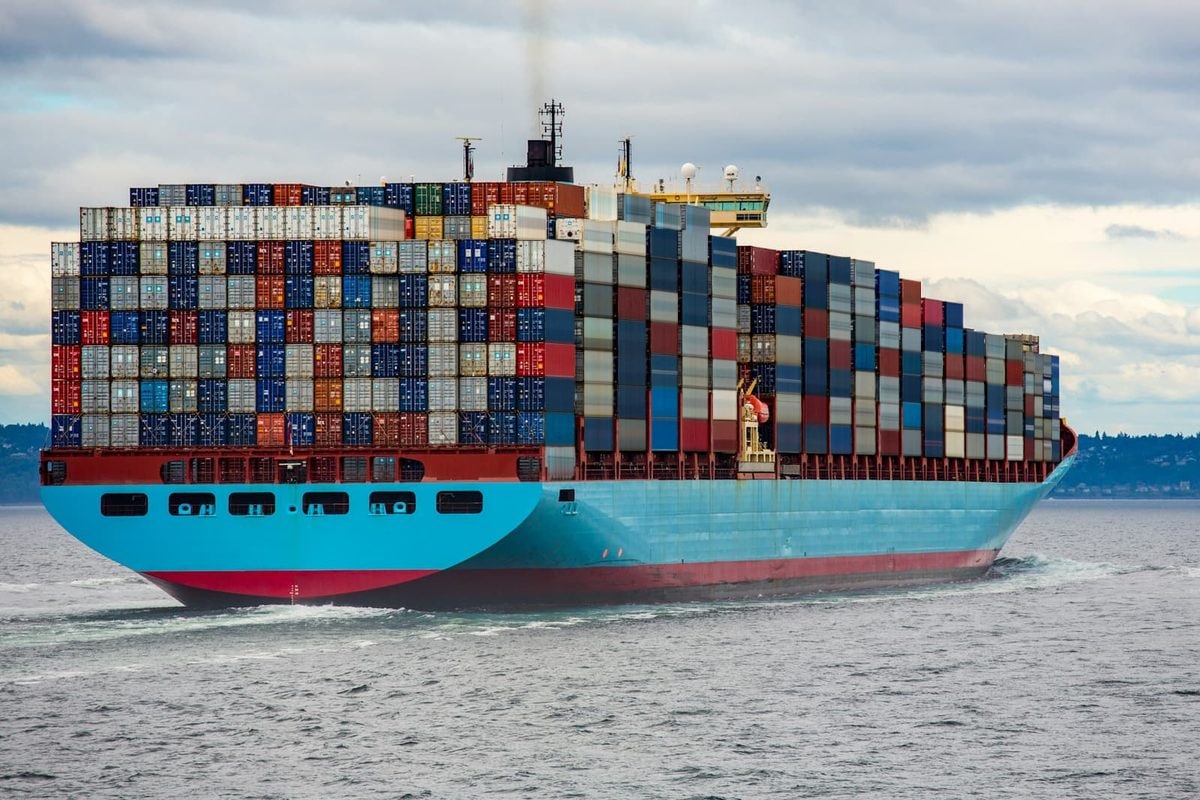
Space on Asia to U.S. lanes is filling fast. Here is our advice for holiday stock…
Send us the details today. A coordinator calls you back with a clear price within one business day.